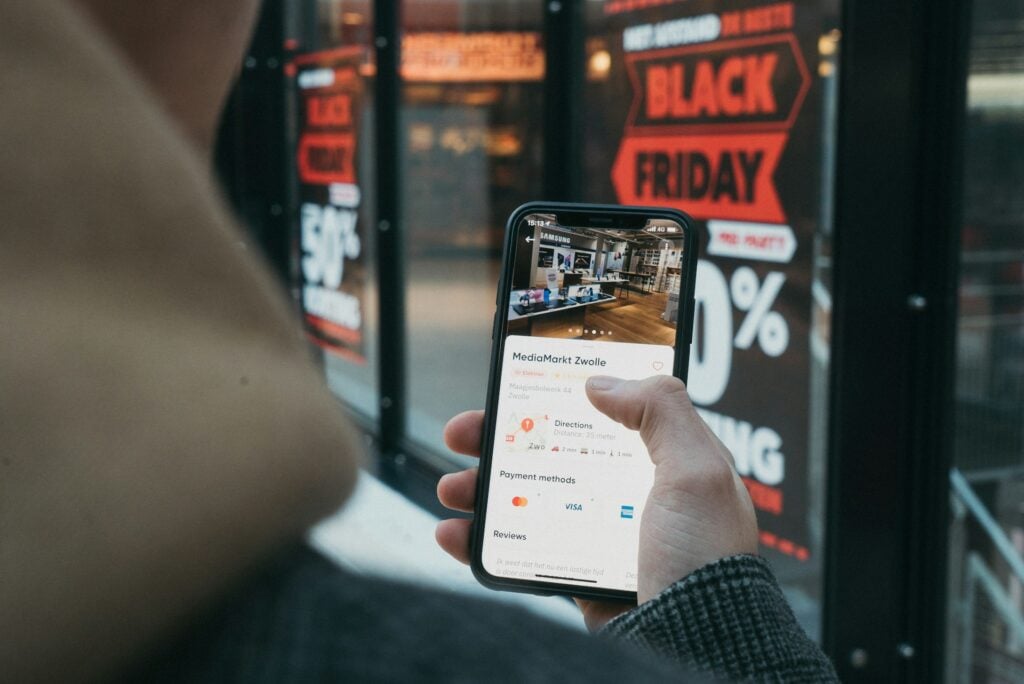
Not every potential customer needs to be ready to buy from the very beginning. Some are making comparisons, while others are trying to understand their problem and available solutions before making a decision. This is where knowing the difference between ‘demand generation’ and ‘demand capture’ is key, as it helps marketers avoid treating every buyer as ready to make a purchase now.
Demand generation is about providing information to potential customers so they become interested in the product or service in the future. Demand capture focuses on those people who already have interest and inspires them to purchase the product. Both of them are really important in any marketing campaign, but the amount of focus on any of them depends on how ready the customers are to make a purchase, how advanced the market is, what the level of market growth is, and some other factors.
Demand generation refers to creating awareness, interest, and trust before consumers are ready to buy something. It helps clients recognize a problem, the significance of the problem, and possible ways to address it.
Unlike a sales-oriented approach, a demand generation strategy is based on educating customers and developing a pipeline. Therefore, it appeals to those who may not even know about the problem, have realized it recently, or are at the early stage of researching. Thus, demand generation can be particularly helpful for innovative products and complicated solutions in educational markets.
What Is Demand Capture?
Demand capture is the process of turning those people who are already interested in purchasing into actual buyers and sales. These are the people who know what their needs are, and they are looking for solutions or comparing other companies to find out the best option for themselves.
The main goal of demand capture strategy is to convert the customer’s interest into a purchase, and it usually works best when marketers target those people who clearly know their needs or are aware of the problems and looking for the best solution. As compared to demand generation, demand capture can help measure results faster and easier, but, on the other hand, it does not really create new customer interest.
For example, if a person is looking for “the best CRM software for small startups” or an “alternative HubSpot,” it shows that they are already interested in buying. Now, the role of marketing here is to turn their interest into a purchase by providing them with useful information or offers that make it easier for them to make a choice.
The Importance of Understanding the Distinction
Confusing demand generation with demand capture may result in an imbalanced marketing approach. Companies tend to spend more resources on capture than generation because capture is quicker and easier to measure, which results in increased competition. This means competing for the same limited pool of buyers who are ready to purchase, often driving up the cost of high-intent channels and keywords.
On the other hand, focusing primarily on demand generation can create a different issue. Although the company makes efforts to ensure that its audience is aware of the brand and trusts it, no effort is made to make sure there is an easy way for buyers to convert into customers. Asking for a demo before buyers understand the problem can feel premature, while offering only educational content to purchase-ready buyers may slow down the decision.
Demand generation educates the market. Demand capture transforms this education into action. For example, in online mental health care, some people are still searching for information to better understand their symptoms, while others are comparing telehealth platforms because they are ready to book an appointment.
Demand Generation vs Demand Capture: Side-by-Side Comparison
| Factor | Demand Generation | Demand Capture |
| Goal | Build interest, awareness, and trust | Turn potential buyers into actual customers |
| Stage of buyer | They do not know the problem or are researching the problem | They are looking for a solution, comparing different companies, or ready to purchase |
| Impact time | Long-term | Short-term |
| Main message | Focus on: Why is the problem important? | Focus on: Why is this solution right for you? |
| Common tactic | Useful content, expert opinions & advice, posts and webinars | PPC ads, SEO, comparison pages, landing pages, demo pages, and retargeting |
| Key metrics | Search for brands, how many people see the content, engagement, and website visits | Conversion rates, CPL, CAC, SQLs, demo requests, and sales opportunities created |
| Budget role | Build demand for the future | Reach customers who are already interested |
| Main risk | Results cannot be measured immediately | Growth depends on already existing market demand |
How Demand Generation and Demand Capture Work Together
Demand generation and demand capture function most effectively when they become interrelated parts of one single marketing strategy. Demand generation introduces a problem, educates, and builds trust until the moment when people are ready to buy something. As they gather information, they start looking for possible solutions. This is where demand capture becomes useful – it gives buyers a way to take action.
For instance, initially, a person reads a thought leadership article and then attends a webinar. When the issue becomes important enough, he starts searching for solutions, evaluates different vendors, and books a demo. While demand generation impacted earlier phases of the process, demand capture turned the intent into conversion in the last stages.
When Should You Focus on Demand Generation vs Demand Capture?
The right balance between the two is based on market awareness, buyer intent, and immediate objectives for growth.
Demand Generation Is Right If:
<!– [if !supportLists]–>● <!–[endif]–>Your product category is relatively unknown or not well-understood.
<!– [if !supportLists]–>● <!–[endif]–>Buyers do not yet recognize the problem.
<!– [if !supportLists]–>● <!–[endif]–>Education is required before the purchase decision for your product.
<!– [if !supportLists]–>● <!–[endif]–>Brand awareness or search intent is relatively low.
<!– [if !supportLists]–>● <!–[endif]–>Sales cycles are long and complex.
<!– [if !supportLists]–>● <!–[endif]–>Building trust is necessary before converting buyers.
<!– [if !supportLists]–>● <!–[endif]–>Buyers are already looking for solutions.
<!– [if !supportLists]–>● <!–[endif]–>Your market is established, and you have good product-market fit.
<!– [if !supportLists]–>● <!–[endif]–>Your site has qualified visitors.
<!– [if !supportLists]–>● <!–[endif]–>Your competitors are dominating the bottom of the funnel.
<!– [if !supportLists]–>● <!–[endif]–>The sales team needs more purchase-ready leads.
<!– [if !supportLists]–>● <!–[endif]–>Your company has clear pricing, demos, consultations, or trials.
How to Generate and Capture Demand
<!– [if !supportLists]–>● <!–[endif]–>Educational content: Write articles related to the industry’s issues, trends, mistakes, and decision criteria. Some examples may include “Why [the issue] costs businesses far more than people realize” or “What you should be looking for to tell if your team is ready for a new process.”
<!– [if !supportLists]–>● <!–[endif]–>Thought leadership: Use experts’ opinions, viewpoints, and industry commentary to shape buyers’ understanding of the issue at hand.
<!– [if !supportLists]–>● <!–[endif]–>Original research: Conduct surveys, write reports, and conduct industry benchmarking to provide valuable information to buyers while positioning yourself as an authority on the topic.
<!– [if !supportLists]–>● <!–[endif]–>Webinars and virtual events: Webinars and other virtual events can be effective tools for explaining the product, especially if it is complicated.
<!– [if !supportLists]–>● <!–[endif]–>Visibility through social and community content: Posts on LinkedIn, newsletters, founder content, and community discussion all help to build visibility.
How to Capture Demand
<!– [if !supportLists]–>● <!–[endif]–>Create pages for buyers who are ready to purchase: Publish content that helps buyers compare their options, such as “Best CRM tools for small businesses,” “HubSpot alternatives,” or “Salesforce vs HubSpot.” These pages reach people who are already considering a purchase.
<!– [if !supportLists]–>● <!–[endif]–>Execute a paid search campaign: Utilize search advertising for people seeking solutions.
<!– [if !supportLists]–>● <!–[endif]–>Enhance your product, price, and demo pages: Make sure your proposition is clear and simple.
<!– [if !supportLists]–>● <!–[endif]–>Utilize case studies and proof: Customer references, testimonials, and results can build confidence and persuade buyers.
<!– [if !supportLists]–>● <!–[endif]–>Retarget interested visitors: Target people who have visited important pages and not converted yet.
<!– [if !supportLists]–>● <!–[endif]–>Help salespeople in closing deals: Offer comparisons, a buying guide, an ROI calculator, and objection-handling materials.
How to Measure Demand Generation and Demand Capture
To measure demand generation, assess the increase in awareness, credibility, and buyer intent. Some of the key demand generation KPIs are brand lift, brand search growth, direct visits, returning visitors, content performance, social media reach, number of email subscribers, webinar attendance, account activity, share of voice, and influenced pipeline.
To evaluate demand capture, measure how efficiently existing demand is converted into pipeline and revenue. Some of the key demand capture KPIs are landing-page conversion rate, number of demos requested, number of trials initiated, cost per lead, cost per acquisition, sales-qualified leads and opportunities, generated pipeline, generated revenue, paid search ROI, and retargeting conversions.
Conclusion: Build Future Demand, and Then Capture It When the Time Is Right
Demand generation and demand capture are not competing strategies. The former builds awareness, trust, and future demand, while the latter focuses on converting buyers who are currently in search of a solution.
The correct proportion will depend on your industry and buyers’ level of readiness. If buyers do not realize the existence of their problem, teach them about it. If they are already in search mode, facilitate the conversion process. Both must be done for long-term success.