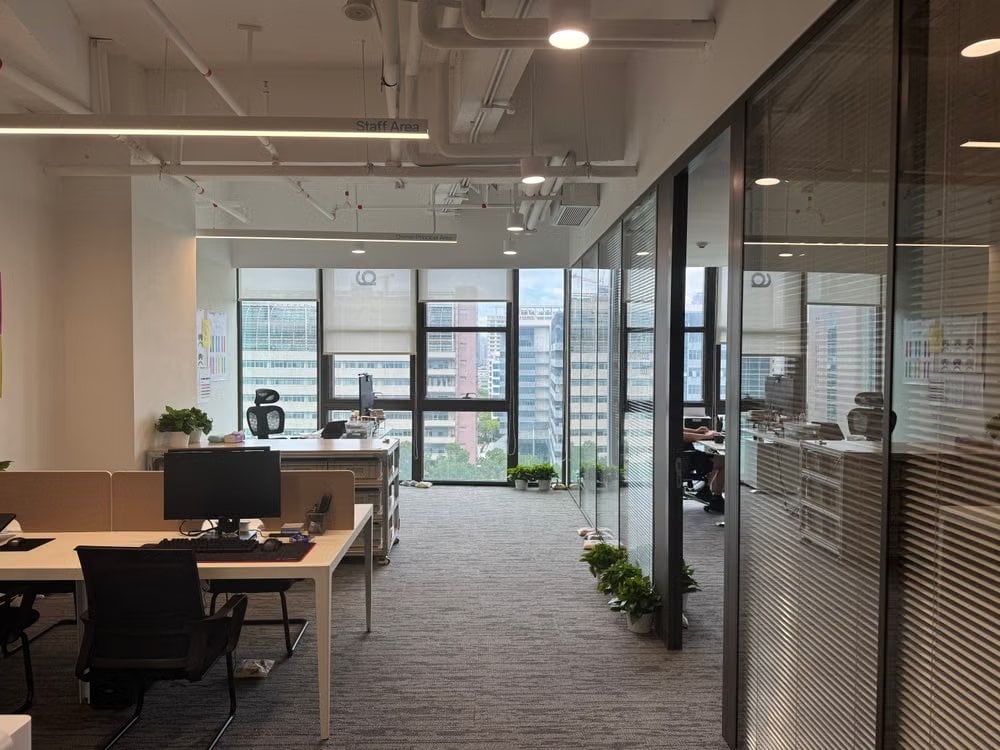
Want your team to get more real work done every single day?
The majority of businesses measure hours, meetings, and production. However, almost nobody measures the one thing that dictates all of those….
Focus time.
Here’s the problem:
Today’s offices are designed for communication, not contemplation. Pings, chats, phone calls and conversation nearby make it hard to do deep work. Studies indicate employees are interrupted every two minutes during prime working hours. That adds up to nearly 275 disruptions a day!
The cost of multitasking doesn’t end after the ping stops. It can take upwards of 23 minutes to recover from a single interruption.
The good news?
Protected focus time is possible. You just need the right routines and the right environment.
Inside this guide:
- Why Focus Time Matters So Much
- What Is Stealing Your Team’s Focus?
- How Eco Friendly Office Screens Help Protect Deep Work
- 5x Simple Ways To Win Back Focus Time
Why Focus Time Matters So Much
Focused time is a block of work where nothing interrupts you. No notifications. No “small talk”. Just you and the task at hand.
Where the magic happens. Reports are written. Issues are resolved. Concepts become plans.
Attention, however, is hard to come by. Microsoft reported that nearly 7 out of 10 people feel they don’t have sufficient blocks of focused time during their workday.
Think about it:
If the majority of your team isn’t focused… the majority of your team isn’t performing at their peak. You’re paying for whole days… and receiving fractured ones.
Busy is not the same as productive.
What Is Stealing Your Team’s Focus?
Distractions come from two places. Digital and physical.
The digital onslaught is easy to see. The average knowledge worker receives approximately 153 Teams messages each day – and that doesn’t account for email or meetings. Every message pulls focus from the task your brain was working on.
Noise gets sneakier… Desk clutter, moving parts and folks breezing by your desk also distract you. Open plan offices create MORE distractions since sound echoes freely.
That’s why office acoustic screens have become such a popular option for businesses. They absorb noise, eliminate visual distractions and create a little bubble for each workstation. Solutions like the acoustic screens at ECO help cut down noise pollution in open plan offices, without forgetting about the environment. That means your office is quieter AND greener.
Pretty cool, right?
How Eco Friendly Office Screens Help Protect Deep Work
Noise distraction is one of the most common productivity killers in the workplace. Office workers know this too. In a massive study, 60% of federal workers reported they would be more productive if their workspace was quieter.
Eco friendly office screens tackle this in three ways:
- Acoustic absorption: Soft acoustic panels absorb voices and conversations from cell phone conversations before they bounce around the room.
- Visual privacy: Movement of people passing by can be distracting. Screens allow you to block that movement from view.
- Clear boundaries: A screen tells colleagues “focus zone” without anyone saying a word.
And here’s the bonus…
Selecting screens that are made with recycled or sustainable materials helps you meet your eco-friendly objectives too. Not only does your team enjoy a quieter workspace but your company also reduces its impact. It’s a win-win situation.
Note: Screens are most effective when incorporated into a comprehensive strategy. They screen out distractions, but you must screen out bad habits.
5x Simple Ways To Win Back Focus Time
Ok – now for the application. Implement a few of these tips. Execute and remain committed. Focus isn’t regained in a day… But it will be regained.
Block Focus Time In The Calendar
If it isn’t in the calendar, it won’t happen.
Schedule two hours of uninterrupted focus time for every employee every day. Protect those blocks as if they are a meeting with your most valuable customer. Don’t allow anything to interrupt them. Easy.
Set Quiet Hours For Messages
Instant messages feel urgent. Most of them aren’t.
Set “quiet hours” when chat apps are muted and notifications are off. If it’s super important, call. Otherwise wait an hour or two. Most things won’t need immediate attention.
Create Dedicated Quiet Zones
Not all activities require the same environment. Meetings and group messaging require space to communicate. Focused work requires silence.
Split your office into zones:
- Collaboration areas for meetings and brainstorming
- Quiet zones for focused, heads-down work
Contain sound within each zone by using acoustic screens, rugs and plants. Establish some guidelines as to where everyone should be.
Cut Meetings Down To Size
Meetings are one of the worst times for focus time. Before you schedule one ask yourself this simple question…
Could this be an email?
If yes, send the email. If a meeting is necessary, keep it brief. Agenda it. Only invite those who are absolutely necessary to attend. The fewer meetings you have, the longer you can focus.
Lead From The Top
Teams copy what their managers do.
When leaders send emails anytime and demand immediate response, no one will adopt focus time. When managers protect their own focus time and honor others’, everyone will do it. Culture trumps policy every time.
For instance, if a manager mutes chat first thing in the morning and broadcasts that fact to others, your entire team can follow suit. Little cues like these help normalize quiet time so it doesn’t feel like slacking. And when it’s normalized, there’s no guilt to guard.
The Bottom Line On Focus
Focused time is your most precious commodity in any knowledge workplace… and the one most organisations take for granted. Dings, busy schedules and noisy environments are stealthily undermining your employees’ best efforts.
The fix doesn’t have to be complicated. To quickly recap:
- Understand how much focus time your team is losing
- Reduce noise and visual clutter with eco friendly office screens
- Block out focus time in every calendar
- Set quiet hours and cut down on meetings
- Lead by example from the top
Protect the space. Protect the time. Then watch what your team can really do.
Frequently Asked Questions
What is focus time at work?
Focus time is a period of dedicated time where someone is working on a single task. There are no messages, meetings or distractions interrupting them. This is when deep, high-value work happens.
Do eco-friendly office screens really reduce noise?
Yes. They absorb sound waves and prevent voices from carrying to the other side of the room. Environmentally friendly acoustic screens serve the same purpose but use recycled or sustainable materials.
How much focus time does a person need each day?
Depending on the position, knowledge workers should aim for two hours of uninterrupted focus time per day. More is preferred for complex projects.