
You feel the pinch every time your business pays rent on half-empty industrial bays. Commercial leases across regional hubs demand massive commitments, tying up critical cash flow when your market requires speed and flexibility. When your enterprise carries bulky inventory or regional service equipment, traditional commercial landlords demand long commitments with costly annual escalations.
Instead of drowning in inflexible square footage, forward-thinking operators build agile distribution systems that preserve working capital. By breaking down your inventory footprint into responsive micro-locations, you take back control of your operational budget while maintaining swift service for regional clients.
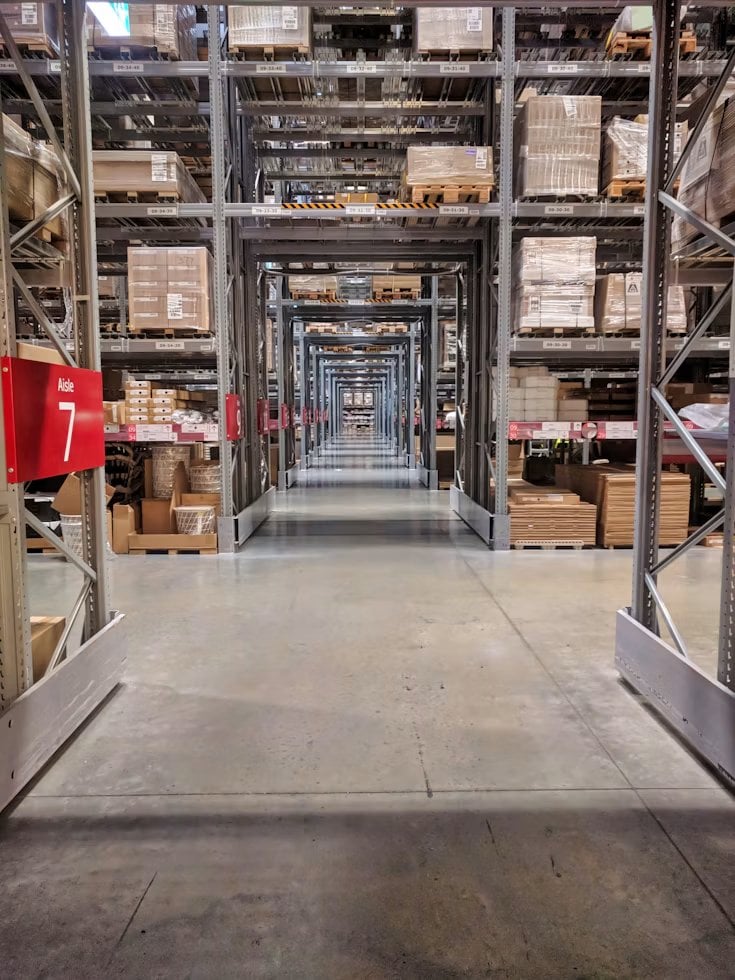
Why do long industrial leases drain commercial working capital?
Signing a 5-year commercial lease forces you to pay for empty air during seasonal slowdowns. Landlords price standard industrial floor space with built-in annual rent hikes, outgoings, council rates, and building insurance fees. These overhead expenses siphon valuable capital away from marketing campaigns, product development, and hiring skilled personnel.
Carrying costs climb much faster than basic base rent suggests. Recent research from the MIT Center for Transportation and Logistics reveals that fulfillment expenses and product returns now devour over 40% of typical operating budgets. When your firm shoulders high fixed property bills on top of rising handling fees, your profit margins suffer immediately.
Vacant warehouse bays breed internal inefficiency. Staff members spend unnecessary hours walking across oversized facilities to retrieve simple tools or restock outgoing shipments. Trimming that wasted space frees up your staff and lowers your monthly financial commitments.
How do regional teams bypass commercial property friction?
Regional enterprise managers constantly battle distance and freight delays when servicing regional corridors. Running all dispatch through a single metropolitan depot slows delivery schedules and burns through costly fuel. Your technicians waste productive hours driving back and forth rather than completing billable client projects.
Local operators across Northern New South Wales regularly face tight commercial property markets. Selecting secure self storage for Murwillumbah or elsewhere gives your regional crew direct access to clean staging space without locking your firm into rigid multi-year agreements. You gain immediate room to stage parts, tools, or seasonal inventory along your main service routes. Your team avoids long depot drives and protects valuable trade supplies in a dedicated unit.
Decentralized drop points allow your dispatch staff to organize daily runs around customer convenience. Field technicians pick up parts within minutes of their scheduled morning calls. That speed creates a competitive advantage that regional clients notice and value.
What does a micro-warehousing distribution model look like?
Micro-warehousing replaces a single massive headquarters with compact, flexible satellite sites. Instead of stacking excess pallets in one distant city warehouse, you distribute high-demand items closer to key regional customer bases. This shift transforms your distribution logistics from a clumsy bottleneck into a responsive asset.
Market data mirrors this fundamental change in regional supply chains. Official records from the Australian Bureau of Statistics show that transport, postal, and commercial warehousing enterprises expanded by 5.1% as companies adjusted their physical distribution routes. Business owners recognize that decentralization reduces shipping bottlenecks and controls long-term capital risk.
Designing a flexible regional depot
Creating a satellite distribution point requires strict inventory discipline. You stock items that your technicians or customers require within a 48-hour window. Keeping fast-moving stock at the edge of your service network cuts delivery lead times down to same-day turnarounds.
Tactical staging steps for your crew
You can keep satellite depots efficient by establishing standard operating routines for your team:
- Tag high-velocity inventory: Mark fast-moving stock to accelerate daily van loadouts.
- Audit stock weekly: Track local consumption figures to prevent excess storage build-up.
- Consolidate field deliveries: Direct supplier drops straight into local staging units.
- Rotate seasonal equipment: Swap out surplus machinery as project demands change throughout the year.
How can your operation slash turnaround times with short-term staging?
Customer expectations for rapid fulfillment continue to rise across every commercial trade. When a client orders specialized replacement parts or urgent maintenance, they expect quick resolutions rather than multi-day delivery windows. Staging buffer stock within localized units puts goods right near your buyers.
Short-term staging protects your operations from sudden supply chain disruptions. When sea freight delays or highway closures stall primary distribution channels, your localized inventory buffers keep client orders moving smoothly. You maintain client trust while competitors scramble for emergency transport options.
Flexible arrangements permit your business to expand or shrink square footage on demand. When peak sales quarters approach, you rent extra capacity for 2 or 3 months without signing a commercial lease. Once seasonal demand normalizes, you scale back down and protect your operating margins.
Calculate true footprint costs before signing commercial contracts
Commercial real estate agents frequently promote low square-meter rates while concealing secondary property fees. You must review maintenance levies, security upgrades, cleaning contracts, and municipal taxes before agreeing to terms. Those hidden line items frequently push total occupancy costs 30% above the base rate.
Short-term localized storage contracts remove these unexpected operating surprises. You pay a single transparent monthly fee that covers security, facility management, and utilities. This clarity allows your finance team to forecast monthly cash flow with complete accuracy.
Scale your inventory footprint without building commitments
Agility wins contracts in rapidly shifting economic climates. When you identify an emerging market cluster, you can establish a localized fulfillment base in less than 48 hours. You test new sales territories without betting the farm on long-term industrial property.
If a specific geographic market changes or underperforms, you simply clear the unit and pivot your capital toward growing territories. This operational freedom keeps your enterprise light on its feet, resilient against downturns, and ready for profitable growth.
Restructuring physical footprint costs gives your business the agility needed to outpace traditional competitors. Moving away from burdensome industrial leases lets you protect critical working capital while serving regional clients faster. By embracing localized staging and decentralized storage, your team builds a resilient, customer-focused distribution network that scales on your own terms.


